Gynecology Services in Nashville: When to See a Specialist for Bleeding, Menopause, Bladder Symptoms, or Pelvic Pain
Key Points
- Many women wait too long to seek specialized gynecological care, often suffering unnecessarily
- Heavy bleeding, menopause symptoms, bladder control issues, and pelvic pain are all treatable conditions
- Seeing a specialist doesn't automatically mean surgery or invasive treatment
- Early evaluation often means simpler treatment options and better outcomes
- Nashville Gynecology Center offers comprehensive care for all aspects of women's health
- Dr. Larry D. Gurley specializes in conservative treatments and alternatives to hysterectomy
You Don't Have to "Just Deal With It"
Here's something we hear almost every day at Nashville Gynecology Center: "I thought this was just normal" or "I didn't know you could do anything about this" or "I should have come in years ago."
Women are incredibly tough. Sometimes too tough for their own good. You push through heavy periods that leave you exhausted. You plan your entire life around bathroom locations. You avoid activities because of pelvic pain. You assume that uncomfortable symptoms are just part of being a woman or getting older.
But here's the truth: most gynecological issues that affect your quality of life are treatable. You don't have to accept symptoms that interfere with your daily activities, your relationships, or your overall wellbeing.
Dr. Larry D. Gurley has been helping Nashville women with complex gynecological issues for years, and his philosophy is simple: provide comprehensive evaluation and a full discussion of all treatment options. Sometimes that means medication or lifestyle changes. Sometimes it means minimally invasive procedures. And yes, sometimes it means surgery. But it always means listening to your concerns and creating a plan that makes sense for your life.
Let's talk about when you should consider seeing a gynecology specialist and what conditions we treat.
Heavy Menstrual Bleeding and Fibroids
When to Seek Help
Not sure if your periods count as "heavy"? Here are the signs:
- Soaking through a pad or tampon every hour for several hours
- Needing to change protection during the night
- Passing blood clots larger than a quarter
- Bleeding for more than 7 days
- Feeling exhausted, weak, or short of breath during or after your period
- Planning your schedule around your cycle
What Might Be Causing It
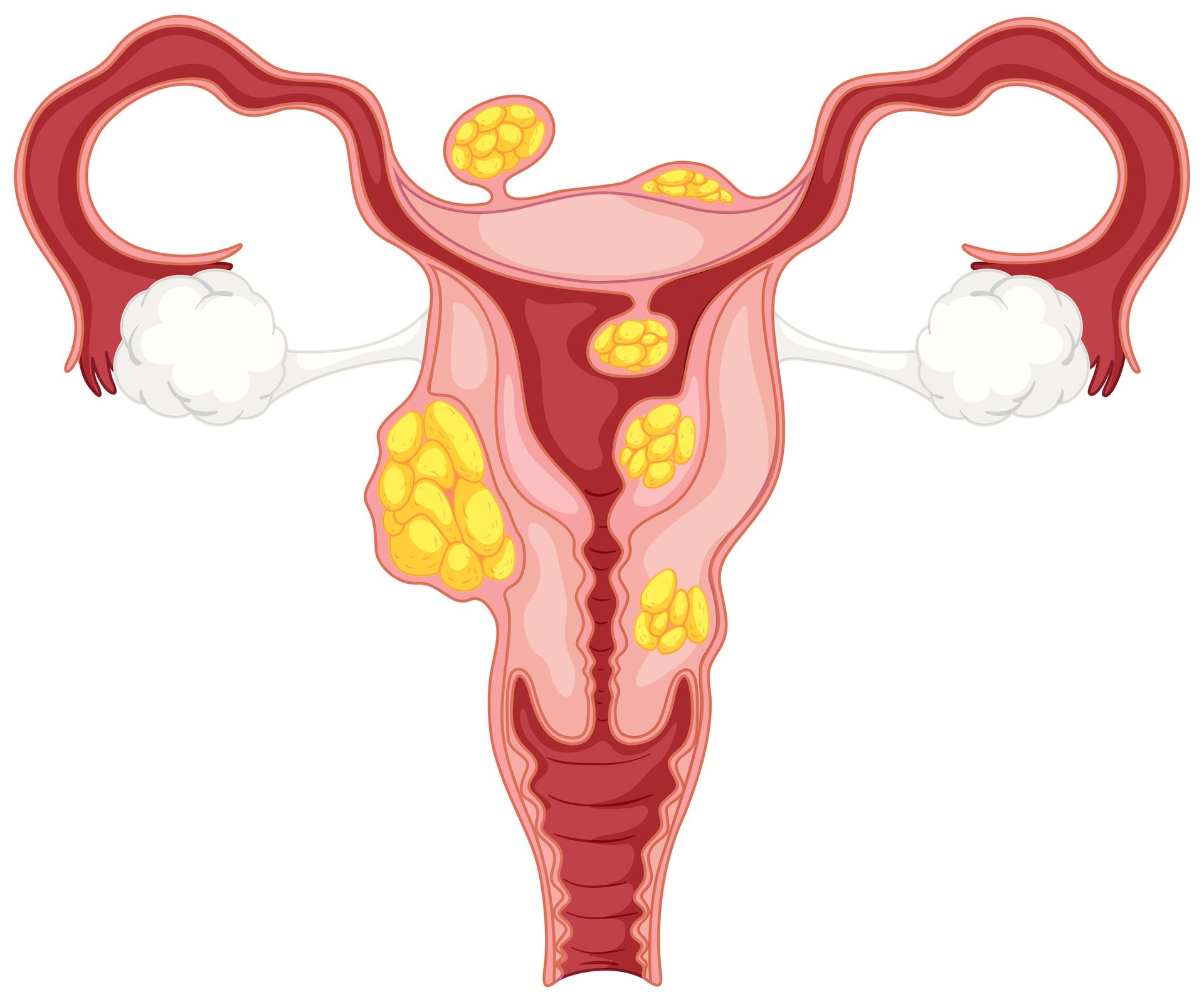
Heavy bleeding can be caused by several things including uterine fibroids (extremely common, non-cancerous growths), hormonal imbalances, polyps, adenomyosis, or other conditions. Getting a proper diagnosis is the first step toward feeling better.
Dr. Gurley specializes in fibroids and bleeding problems and can help identify what's causing your heavy periods. Our in-office ultrasound means you can often get answers during your first visit.
Your Treatment Options
You have more choices than you might think. We offer everything from medications to endometrial ablation, a minimally invasive procedure that can dramatically reduce or stop bleeding without requiring a hysterectomy.
For women with fibroids, treatment options range from monitoring to fibroid removal while preserving the uterus. Dr. Gurley believes in alternatives to hysterectomy and will discuss all available options with you.
Want to learn more? Check out our comprehensive guide on heavy menstrual bleeding treatment options or our article answering the common question: can fibroids go away on their own?
Menopause Symptoms
When to Seek Help
Menopause isn't just about hot flashes. Consider seeing a specialist if you're experiencing:
- Hot flashes or night sweats that disrupt your sleep or daily life
- Vaginal dryness or pain during intercourse
- Mood changes, anxiety, or depression
- Difficulty sleeping
- Loss of libido
- Weight gain or metabolism changes
- Memory problems or brain fog
- Bladder control issues that started during menopause
Why Specialized Care Matters
Menopause affects every woman differently. What works for your friend or sister might not be right for you. We offer personalized menopause management that takes into account your specific symptoms, medical history, and personal preferences.
Treatment Approaches
Options include bioidentical hormone replacement therapy, non-hormonal medications, lifestyle modifications, and treatments for specific symptoms like vaginal dryness or bladder issues.
Many women don't realize that bladder problems during menopause are treatable, not inevitable. Our article on how menopause affects bladder control explains the connection and what you can do about it.
Have questions? Visit our menopause FAQ page for answers to common concerns.
Bladder Symptoms and Urinary Incontinence
When to Seek Help
Bladder control issues aren't a normal part of aging. See a specialist if you're experiencing:
- Leaking urine when you cough, sneeze, laugh, or exercise
- Sudden, intense urges to urinate that are hard to control
- Frequent urination (more than 8 times during the day)
- Getting up multiple times at night to use the bathroom
- Feeling like you can't fully empty your bladder
- Avoiding activities because you're worried about leaks
Understanding Different Types
There are different types of bladder control problems, and treatment depends on which type you have. Stress incontinence happens during physical activity, while urge incontinence involves sudden, overwhelming urges to go.
Our comprehensive guide to urinary incontinence types and treatment breaks down the differences and explains your options.
What We Offer
At Nashville Gynecology Center, we provide thorough bladder symptom evaluation and treatment. Treatment options range from pelvic floor exercises and lifestyle changes to medications, FemiLift non-surgical vaginal rejuvenation, and when appropriate, minimally invasive procedures.
Many women don't realize how connected their pelvic health is to other symptoms they're experiencing. Learn more in our complete guide to pelvic floor disorders.
Pelvic Pain and Painful Intercourse
When to Seek Help
Pelvic pain takes many forms. You should be evaluated if you have:
- Chronic pelvic pain that lasts more than 6 months
- Pain during or after intercourse
- Severe menstrual cramps that interfere with daily activities
- Pain during bowel movements or urination
- Pelvic pressure or feeling like something is falling out
- Pain that affects your quality of life or relationships
Possible Causes
Pelvic pain can result from many conditions including endometriosis, fibroids, pelvic floor dysfunction, ovarian cysts, adhesions from previous surgery, or pelvic organ prolapse. Getting an accurate diagnosis is crucial for effective treatment.
Our Approach
We take pelvic pain seriously and work to identify the underlying cause. This might involve a detailed history, physical examination, and in-office ultrasound imaging. Treatment is always tailored to the specific cause and your individual needs.
What to Expect at Your First Appointment
Many women put off scheduling an appointment because they're not sure what to expect or they're nervous about the visit. Here's what typically happens:
Detailed Conversation
We'll talk about your symptoms, when they started, what makes them better or worse, how they're affecting your life, your medical history, and your goals for treatment. This conversation is just as important as the physical exam.
Physical Examination
A standard gynecological exam helps us assess your overall pelvic health. It's similar to a routine exam you'd have at your annual checkup.
Diagnostic Testing When Needed
We offer in-office ultrasound, which means we can often perform imaging during your visit and discuss results the same day. No waiting weeks for appointments at another facility.
For certain bladder conditions, we can provide referrals for specialized testing to help us understand exactly what's happening and create the most effective treatment plan.
Treatment Discussion
Dr. Gurley believes in providing a full discussion of all available options. We'll talk through conservative approaches, medical treatments, and when appropriate, procedural or surgical options. The goal is for you to leave with a clear understanding of what's going on and what your choices are.
Why Choose Nashville Gynecology Center
Experience You Can Trust
Dr. Larry D. Gurley is board-certified in obstetrics and gynecology with extensive experience treating complex gynecological conditions. He's known for his expertise in minimally invasive procedures and alternatives to hysterectomy.
Comprehensive Care
We offer a full range of gynecology services under one roof, from conservative management to advanced procedures performed at our surgery center.
Conservative Approach
We believe in starting with the least invasive effective treatment. Surgery is always a last resort, not a first option. Many women find relief with lifestyle changes, medications, or minimally invasive procedures.
Patient-Centered Philosophy
Our philosophy is simple: listen to our patients, provide thorough education about all options, and create treatment plans that fit each woman's unique situation and goals.
Comfortable Environment
Take a virtual office tour to see our welcoming, comfortable office. We want you to feel at ease discussing sensitive health issues.
Common Questions About Seeing a Specialist
"Will I automatically need surgery?" Absolutely not. Most conditions can be managed with conservative treatments. Surgery is only recommended when it's truly the best option for your specific situation.
"Do I need a referral?" It depends on your insurance plan. We welcome new patients and our staff can help you determine if a referral is needed.
"How long will my appointment take?" Initial consultations typically last 30-60 minutes. We take the time needed to thoroughly understand your concerns and answer all your questions.
"What should I bring?" Your insurance card, a list of current medications, any relevant medical records, and questions you want to ask. If you're coming for bladder symptoms, a bladder diary tracking when you urinate and when leaks occur can be very helpful.
Take the First Step
You've been putting up with symptoms long enough. Whether you're dealing with heavy bleeding that leaves you exhausted, menopause symptoms that disrupt your life, bladder issues that make you avoid activities you love, or pelvic pain that affects your relationships, effective treatment is available.
Nashville Gynecology Center
300 20th Avenue North, Suite 102
Nashville, TN 37203
Phone: (615) 284-1500
Fax: (615) 432-2007
Call us at (615) 284-1500 to schedule your appointment. We're here to help you feel like yourself again.
Explore our blog for more information on specific conditions, or visit our resources page for helpful tools and information.
FAQs About Seeing a Gynecology Specialist
How do I know if I need to see a specialist versus my regular doctor?
If you have symptoms that aren't improving with initial treatment from your primary care doctor or OB/GYN, if you're dealing with complex issues like large fibroids or severe menopause symptoms, or if you're considering surgical options and want a second opinion, a specialist can provide more focused expertise and treatment options.
Will my insurance cover specialist visits?
Most insurance plans cover gynecology specialist visits, though requirements vary by plan. Some require referrals while others allow direct scheduling. Call our office at (615) 284-1500 and our staff will help verify your coverage.
I'm embarrassed to talk about my symptoms. How can I get past that?
We understand completely, and you're not alone in feeling this way. Remember that we discuss these topics all day, every day. There's nothing you can tell us that will shock us or that we haven't heard before. Your health and quality of life are too important to let embarrassment get in the way.
Can I come in for a consultation before deciding on treatment?
Absolutely! In fact, that's exactly what we recommend. The initial consultation is about understanding your situation, getting a diagnosis, and discussing all your options. You're not committing to any treatment by scheduling an appointment.
What if I've already been told I need a hysterectomy?
Dr. Gurley specializes in alternatives to hysterectomy and believes every woman deserves a full discussion of all options. While hysterectomy is sometimes the best choice, it's not the only choice. We're happy to provide a second opinion and discuss whether less invasive options might work for you.
How soon can I get an appointment?
We work to see patients with concerning symptoms as quickly as possible. When you call, let our staff know what you're experiencing and we'll get you scheduled promptly. For urgent concerns, we can often accommodate same-week appointments.
Do you offer telehealth appointments?
Yes, we now offer telehealth appointments for certain situations like follow-up visits or initial consultations about specific concerns. Call our office to find out if telehealth is appropriate for your needs.
Ready to address your gynecological concerns with an experienced specialist? Contact us today to schedule your consultation. You deserve to feel better.
Disclaimer:
The information provided on this blog is for general informational purposes only and is not intended as, and should not be considered, medical advice. All information, content, and material available on this blog are for general informational purposes only. Readers are advised to consult with a qualified healthcare professional for medical advice, diagnosis, or treatment. The author and the blog disclaim any liability for the decisions you make based on the information provided. Always seek the advice of your physician or other qualified health provider with any questions you may have regarding a medical condition.