Navigating Painful Sex: Causes & Treatments
Key Points
- Pain during sex affects up to 75% of women at some point in their lives
- Physical causes include vaginal dryness, hormonal changes, infections, and structural issues
- Emotional and psychological factors often contribute to or result from painful intimacy
- Most causes of dyspareunia are treatable with proper diagnosis and care
- You don't have to suffer in silence—specialized gynecological care can help
- Early intervention typically leads to better outcomes and faster relief
Pain during sex is one of those topics many women hesitate to bring up, even with their doctors. There's an unfortunate tendency to minimize this issue or assume it's something you just have to live with. But here's the reality: pain during intimacy—medically called dyspareunia—is not normal, and you absolutely don't have to accept it as part of life.
If you've been experiencing discomfort or pain during sex, you're far from alone. Research shows that up to three-quarters of women experience painful intercourse at some point. The causes range from straightforward physical issues with simple solutions to more complex conditions requiring specialized treatment.
The good news is that most causes of painful sex are very treatable once properly identified. Understanding what might be causing your discomfort is the first step toward finding relief and reclaiming comfortable, enjoyable intimacy.
Understanding Dyspareunia: More Than Just Discomfort
Dyspareunia is the medical term for pain during sexual intercourse. This isn't about occasional minor discomfort—it's persistent or recurrent pain that interferes with intimacy and quality of life.
The pain can manifest differently for different women. Some experience sharp, stabbing sensations at the vaginal opening. Others feel deep, aching pain during penetration. Some women describe burning or stinging sensations, while others feel pressure or cramping that lingers after sex.
Pain might occur only during initial penetration, throughout intercourse, or specifically with deep penetration. The location, timing, and character of pain provide important clues about underlying causes.
It's also important to distinguish between primary dyspareunia (pain that's been present since you first became sexually active) and secondary dyspareunia (pain that develops after a period of pain-free intercourse). This distinction helps narrow down potential causes and guide treatment approaches.
Physical Causes of Painful Intercourse
Many cases of painful sex causes have clear physical origins. Identifying these physical factors is often the key to finding effective treatment.
Vaginal Dryness and Lubrication Issues
Insufficient lubrication is one of the most common causes of painful sex, and it's highly treatable. When vaginal tissues aren't adequately lubricated, friction during intercourse causes discomfort ranging from mild irritation to significant pain.
Hormonal changes are a frequent culprit behind vaginal dryness. Estrogen levels drop during breastfeeding, after childbirth, and especially during menopause. These hormonal shifts reduce natural lubrication and can thin vaginal tissues, making them more susceptible to irritation.
Certain medications also affect lubrication. Antihistamines, antidepressants, and some blood pressure medications can reduce vaginal moisture as a side effect. Even some hormonal birth control methods can cause dryness in some women.
Stress and anxiety can interfere with your body's natural arousal response, reducing lubrication even when you're mentally interested in intimacy. This creates a frustrating cycle where concern about pain makes adequate lubrication even less likely.
Hormonal Changes and Menopause
Hormonal causes of painful sex deserve special attention because they're so common, especially as women age. Estrogen doesn't just affect lubrication—it maintains the health and elasticity of vaginal tissues.
During perimenopause and menopause, declining estrogen causes vaginal atrophy (also called genitourinary syndrome of menopause). The vaginal walls become thinner, drier, and less elastic. This condition affects over half of postmenopausal women and significantly impacts sexual comfort.
Hormonal changes after childbirth and during breastfeeding can create similar issues, though they're typically temporary. Many new mothers experience painful sex during the postpartum period, compounding the challenges of adjusting to parenthood.
The good news is that hormone-related dryness and atrophy respond very well to treatment. Both hormonal and non-hormonal options are available depending on your specific situation and medical history.
Vaginismus: When Muscles Won't Cooperate
Vaginismus is an involuntary tightening of the vaginal muscles that makes penetration difficult or impossible. Think of it like a protective spasm—your pelvic floor muscles contract involuntarily, creating a physical barrier.
This condition exists on a spectrum. Some women experience complete inability to tolerate any penetration, while others can manage penetration but with significant discomfort. The muscle tension might occur only during attempted intercourse or might also affect tampon use and gynecological exams.
Vaginismus often has both physical and psychological components. Sometimes it develops after painful experiences like childbirth trauma, infection, or injury. Other times, anxiety about pain or past negative experiences trigger the protective muscle response.
The important thing to understand is that vaginismus is not "all in your head," and it's not something you're doing intentionally. It's a genuine physical response that requires specific treatment approaches, typically involving pelvic floor physical therapy, dilator therapy, and sometimes counseling.
Infections and Inflammation
Various infections can cause pain during and after intercourse. Yeast infections, bacterial vaginosis, and sexually transmitted infections all create inflammation that makes the vaginal tissues tender and sensitive.
Urinary tract infections, even mild ones, can cause pain during sex due to pressure on the inflamed bladder and urethra. Chronic conditions like interstitial cystitis (painful bladder syndrome) also frequently cause dyspareunia.
Pelvic inflammatory disease—an infection of the reproductive organs—often causes deep pain during intercourse. This condition requires prompt medical attention to prevent serious complications.
Skin conditions affecting the vulva, including lichen sclerosus and lichen planus, create irritation and pain that worsens with friction during intercourse.
Structural Issues and Scar Tissue
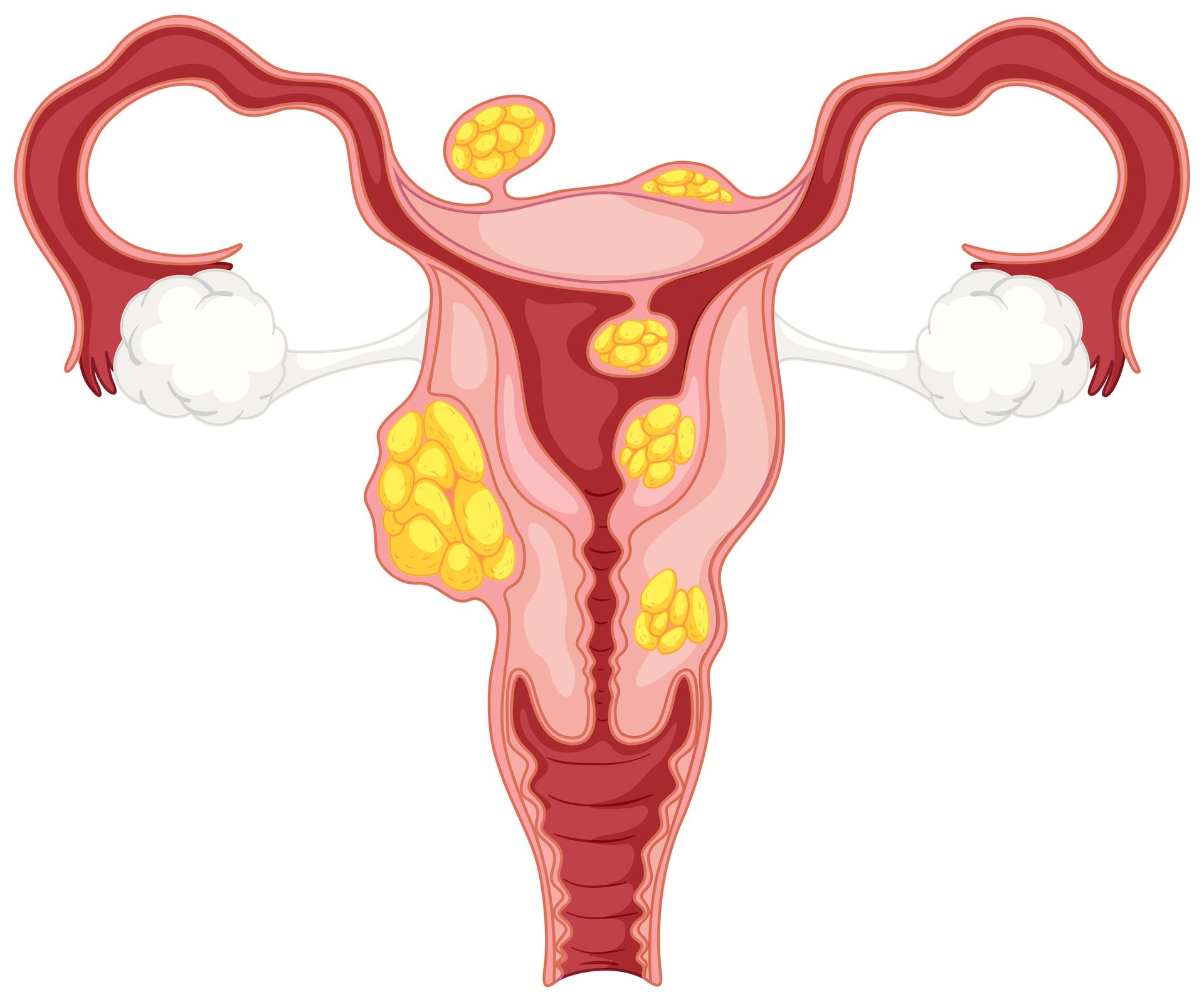
Physical changes to your pelvic anatomy can contribute to painful sex. Endometriosis, a condition where tissue similar to the uterine lining grows outside the uterus, commonly causes deep pelvic pain during intercourse. This pain often worsens at certain times in your menstrual cycle.
Fibroids—benign uterine growths—can cause discomfort during sex depending on their size and location. Ovarian cysts might also create pressure or pain, particularly with deep penetration.
Scar tissue from previous surgeries, including C-sections, episiotomies, or other pelvic procedures, can create areas of sensitivity or restrict normal tissue movement. Adhesions (internal scar tissue) from past infections or surgeries might cause organs to stick together, creating pain with movement during intercourse.
Pelvic organ prolapse, where pelvic organs shift from their normal position, can cause discomfort during sex. This becomes more common after childbirth or with aging.
Vulvodynia: Chronic Vulvar Pain
Vulvodynia refers to chronic pain in the vulva—the external female genital area—without an identifiable cause like infection or skin disease. Women with this condition often describe burning, stinging, or rawness in the vulvar area.
The pain might be constant or occur only when the area is touched (called provoked vulvodynia). Obviously, this makes sexual activity uncomfortable or impossible for many women with this condition.
The causes of vulvodynia aren't completely understood, but factors may include nerve irritation or injury, past infections, genetic factors, or heightened response to inflammation. Treatment typically requires a multi-faceted approach and patience.
Psychological and Emotional Factors
Physical causes don't tell the complete story. Emotional factors and painful sex are deeply interconnected in ways that affect both the development and persistence of dyspareunia.
The Mind-Body Connection
Your mental and emotional state significantly influences your physical experience of sex. Anxiety, stress, and worry can prevent your body from responding naturally during intimacy. When you're tense or anxious, your muscles tighten (including pelvic floor muscles), arousal decreases, and natural lubrication reduces.
This creates a problematic cycle. If you've experienced painful sex, it's natural to feel anxious about future intimate encounters. This anxiety makes you tense, which reduces lubrication and increases muscle tension, which in turn makes pain more likely. The pain then reinforces the anxiety, perpetuating the cycle.
Past Experiences and Trauma
Previous negative sexual experiences, including sexual trauma or abuse, can contribute to painful sex through both psychological and physical pathways. Trauma can create protective tension responses in the body, making relaxation during intimacy difficult.
Even less severe negative experiences—like previous episodes of painful sex, embarrassing situations, or relationships where you felt pressured—can create associations that trigger anxiety and physical tension.
Addressing these psychological factors doesn't mean the pain "isn't real." Pain is always real, regardless of its origins. But understanding contributing psychological factors opens additional pathways for effective treatment.
Relationship Dynamics
The quality of your intimate relationship affects your sexual experience. Relationship stress, poor communication about sexual needs and concerns, or feeling disconnected from your partner can all contribute to discomfort during intimacy.
Sometimes women feel pressure to engage in sexual activity when they're not fully aroused or interested. This pressure—whether external or self-imposed—can lead to inadequate lubrication and reduced pelvic floor relaxation, making pain more likely.
Open communication with your partner about what you're experiencing is an important part of addressing painful sex. Many partners are relieved to understand what's happening rather than wondering if they're doing something wrong or if you're no longer attracted to them.
Treatment Options: Finding Relief
The good news is that dyspareunia treatment options are numerous and increasingly effective. The right approach depends on identifying the underlying cause or causes.
Medical Treatments
For infection-related pain, appropriate antibiotics or antifungal medications typically resolve the issue quickly. Treating underlying conditions like endometriosis or fibroids often significantly reduces or eliminates associated pain during sex.
Hormonal treatments work exceptionally well for pain related to vaginal atrophy or menopausal changes. Vaginal estrogen therapy—available as creams, tablets, or rings—restores vaginal tissue health with minimal systemic absorption. These treatments can dramatically improve comfort within weeks.
For women who can't use estrogen due to medical history, non-hormonal options like vaginal moisturizers and vaginal DHEA (dehydroepiandrosterone) can provide relief.
Treatment for vulvodynia might include topical medications, oral medications that affect nerve pain, or injections that reduce nerve sensitivity in affected areas.
Pelvic Floor Physical Therapy
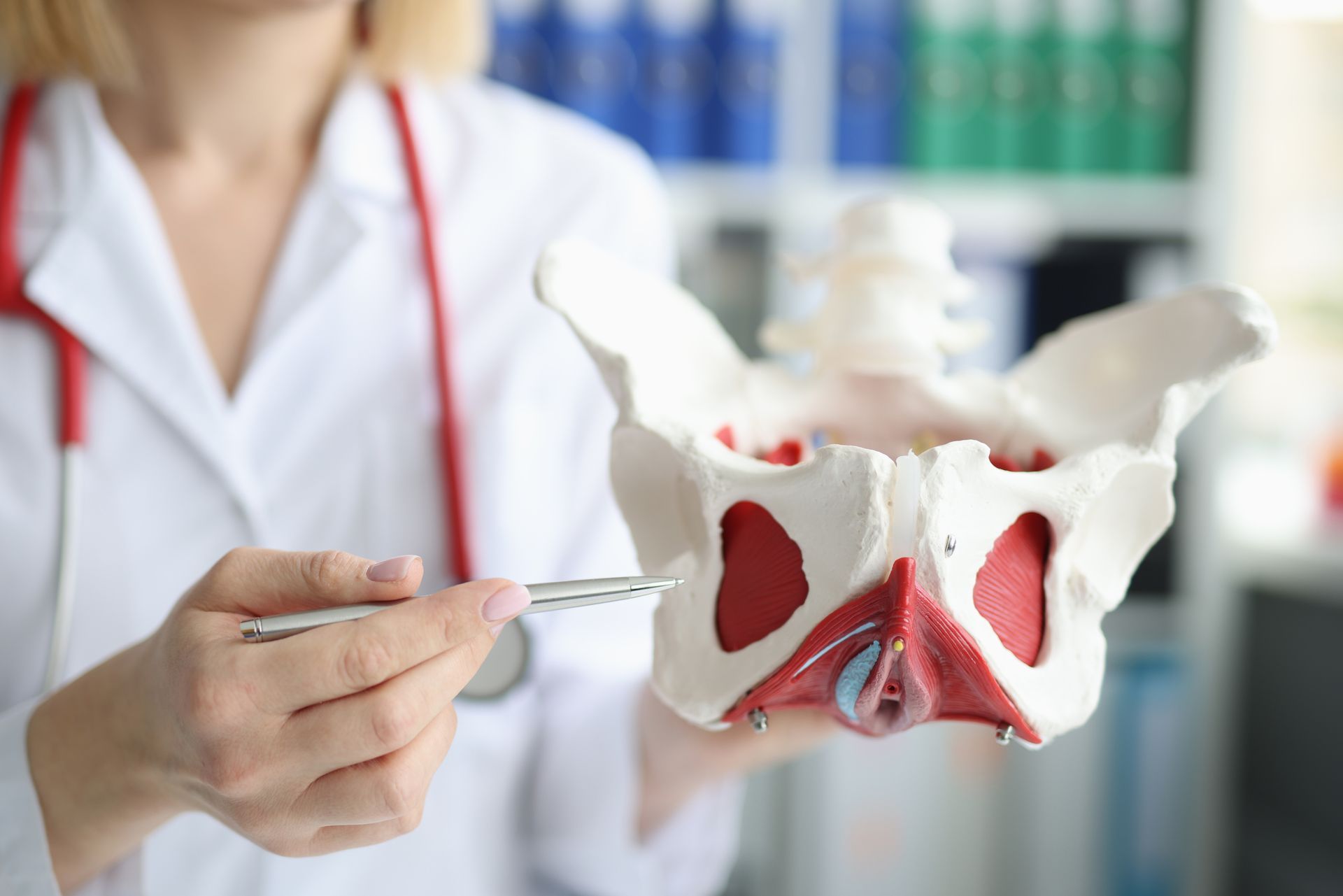
For conditions involving muscle dysfunction—especially vaginismus or pelvic floor tension—specialized pelvic floor physical therapy is often remarkably effective. These specialized therapists work with you to release muscle tension, improve muscle coordination, and reduce pain.
Treatment might include manual therapy techniques, exercises to relax overactive muscles, biofeedback to help you gain awareness and control of pelvic muscles, and dilator therapy that gradually helps your body accommodate comfortable penetration.
Many women are surprised to learn that physical therapy can address this type of issue, but the results often speak for themselves. This approach typically requires commitment to regular sessions and home exercises, but improvement rates are high.
Lubricants and Moisturizers
For dryness-related discomfort, high-quality lubricants used during intercourse can make a significant difference. Water-based lubricants work well for most women, while silicone-based lubricants last longer and require less reapplication.
Vaginal moisturizers used regularly (not just during sex) help maintain tissue hydration and comfort between intimate encounters. These products work differently than lubricants—they're absorbed into vaginal tissues and provide ongoing moisture rather than just reducing friction during sex.
Counseling and Sex Therapy
When psychological factors contribute significantly to painful sex, working with a therapist experienced in sexual health issues can be transformative. Sex therapists help address anxiety, work through past trauma, improve communication with partners, and develop strategies for gradually rebuilding comfortable intimacy.
Cognitive behavioral therapy techniques help interrupt the anxiety-tension-pain cycle by teaching new ways to respond to anxious thoughts and physical sensations.
Couples counseling can address relationship dynamics that might be contributing to the problem or help partners navigate the challenges that painful sex creates in relationships.
Combination Approaches
Many women benefit from combining multiple treatment approaches. For example, treating vaginal dryness with hormonal therapy while simultaneously working with a pelvic floor physical therapist to address muscle tension often produces better results than either treatment alone.
Your gynecologist can help develop a comprehensive treatment plan that addresses all relevant factors in your specific situation.
When to See a Specialist
Don't wait to seek help for painful sex. Many women suffer for months or even years before bringing up the issue with their doctors. Earlier intervention typically leads to faster relief and prevents the development of additional complications like avoiding intimacy or relationship strain.
When to see a gynecologist for painful sex:
- Pain during intercourse has persisted for more than a few episodes
- Pain is getting worse rather than better
- You're avoiding intimacy because of pain or fear of pain
- You notice bleeding or unusual discharge along with pain
- You have other symptoms like pelvic pain outside of sexual activity
- You've tried over-the-counter lubricants without improvement
- Pain started after childbirth, surgery, or menopause
- The issue is affecting your relationship or emotional wellbeing
You don't need to wait until the problem becomes severe. Many causes are easier to treat when addressed early rather than after becoming longstanding issues.
What to Expect at Your Appointment
Discussing painful sex with your doctor might feel awkward, but remember that gynecologists address these issues regularly. It's a normal part of gynecological care, and your doctor has heard it all before.
Your appointment will likely include:
Detailed History: Your doctor will ask about the pain—when it started, where you feel it, what it feels like, whether anything makes it better or worse. Be as specific as possible. Your doctor will also ask about your menstrual cycle, sexual history, medications, and overall health.
Physical Examination: A gentle pelvic exam helps identify physical causes like dryness, infection, structural issues, or areas of specific tenderness. Your doctor should explain what they're doing and proceed at a pace that's comfortable for you. You can always ask them to stop if you need a break.
Possible Testing: Depending on what the exam reveals, your doctor might take swabs to test for infections, check hormone levels through blood tests, or recommend imaging like ultrasound to evaluate internal structures.
Treatment Discussion: Based on findings, your doctor will explain what they believe is causing your pain and recommend appropriate treatments. This is your opportunity to ask questions about options, expected timelines for improvement, and what to do if initial treatments don't provide adequate relief.
Moving Forward with Confidence
Dealing with painful sex can feel isolating and frustrating, but you're not alone, and you don't have to accept pain as normal. Most causes of dyspareunia improve significantly with proper treatment, and many resolve completely.
The first step is acknowledging the problem and seeking help. The second is working with a knowledgeable healthcare provider who takes your concerns seriously and approaches treatment comprehensively.
At Nashville Gynecology Center, Dr. Larry Gurley and our team provide compassionate, thorough care for women experiencing painful intercourse. We understand the physical and emotional impact this issue has, and we're committed to helping you find relief and reclaim comfortable, satisfying intimacy.
FAQs About Painful Sex (Dyspareunia)
Is painful sex common?
Yes, research indicates up to 75% of women experience painful intercourse at some point. While common, it's not normal and usually responds well to treatment.
Can painful sex be cured?
Most causes are treatable, and many women achieve complete resolution with appropriate care. Success depends on accurate diagnosis and consistent treatment.
How long does treatment take?
This varies by cause. Some issues like infections improve within days, while conditions like vaginismus or hormonal atrophy might require several weeks to months of treatment for optimal results.
Will I need surgery?
Most cases don't require surgery. Conditions like severe endometriosis or significant structural issues might benefit from surgical intervention, but this is evaluated on a case-by-case basis.
Should I avoid sex while being treated?
This depends on the cause and your comfort level. Your doctor can provide specific guidance. Sometimes modifying sexual activity rather than avoiding it completely is recommended.
Can this affect fertility?
Some causes of painful sex, particularly endometriosis and pelvic inflammatory disease, can affect fertility if left untreated. Most conditions causing dyspareunia don't directly impact fertility.
FAQs About Nashville Gynecology Center
What services does Dr. Gurley provide?
Dr. Larry Gurley offers comprehensive gynecological care including evaluation and treatment of painful intercourse, hormone management, pelvic pain treatment, and full-spectrum women's health services.
How do I schedule an appointment?
Call (615) 284-1500 to schedule a consultation. We're located at 300 20th Avenue North, Suite 102, Nashville, TN 37203.
Will my concerns be taken seriously?
Absolutely. We understand that painful intercourse significantly impacts quality of life and relationships. Dr. Gurley provides compassionate, judgment-free care focused on finding effective solutions.
Do you work with pelvic floor physical therapists?
Yes, we can refer you to excellent pelvic floor specialists in the Nashville area when this type of therapy would be beneficial.
What should I bring to my appointment?
Bring a list of current medications, relevant medical records if you're a new patient, and notes about your symptoms including when they started and what makes them better or worse.
Is this type of appointment covered by insurance?
Evaluation and treatment of dyspareunia is typically covered by insurance as standard gynecological care. We can verify your specific coverage when you schedule.
You deserve comfortable, pain-free intimacy. Contact Nashville Gynecology Center today at (615) 284-1500 to schedule a confidential consultation with Dr. Larry Gurley. Let us help you identify the cause of your discomfort and develop an effective treatment plan tailored to your needs.
Disclaimer:
The information provided on this blog is for general informational purposes only and is not intended as, and should not be considered, medical advice. All information, content, and material available on this blog are for general informational purposes only. Readers are advised to consult with a qualified healthcare professional for medical advice, diagnosis, or treatment. The author and the blog disclaim any liability for the decisions you make based on the information provided. Always seek the advice of your physician or other qualified health provider with any questions you may have regarding a medical condition.