Heavy Menstrual Bleeding: Causes, Evaluation, and Treatment Options Beyond Hysterectomy
Key Points
- Heavy menstrual bleeding affects approximately 1 in 5 women during their reproductive years
- Soaking through pads or tampons every hour, passing large clots, or bleeding longer than 7 days are signs of abnormal bleeding
- Common causes include fibroids, hormonal imbalances, polyps, and adenomyosis
- Many effective treatment options exist beyond hysterectomy, from medications to minimally invasive procedures
- Proper evaluation helps identify the underlying cause and best treatment approach
- Nashville Gynecology Center specializes in conservative treatments and alternatives to hysterectomy
What Counts as Heavy Menstrual Bleeding?
Let's be real. Most women have had at least one period where they thought, "This seems like a lot." But when does heavy become too heavy? When should you actually be concerned instead of just dealing with it?
Heavy menstrual bleeding, which doctors call menorrhagia, is more than just an inconvenience. It's a medical condition that can seriously affect your quality of life and your health.
You might have heavy menstrual bleeding if you:
- Soak through one or more pads or tampons every hour for several consecutive hours
- Need to use double protection (pad and tampon together)
- Wake up at night to change your pad or tampon
- Pass blood clots larger than a quarter
- Bleed for longer than 7 days
- Feel tired, weak, or short of breath during or after your period (signs of anemia)
- Have to miss work, school, or activities because of your period
- Plan your entire life around your menstrual cycle
If any of these sound familiar, you're not being dramatic or overly sensitive. These are legitimate signs that something needs to be addressed.
At Nashville Gynecology Center, we see women every day who've been dealing with heavy bleeding for months or even years before finally seeking help. The most common thing we hear? "I thought this was just normal for me."
Here's the thing: just because heavy bleeding is common doesn't mean it's normal or something you have to accept.
What Causes Heavy Menstrual Bleeding?
Understanding what's causing your heavy periods is the first step toward finding the right treatment. Here are the most common culprits:
Uterine Fibroids
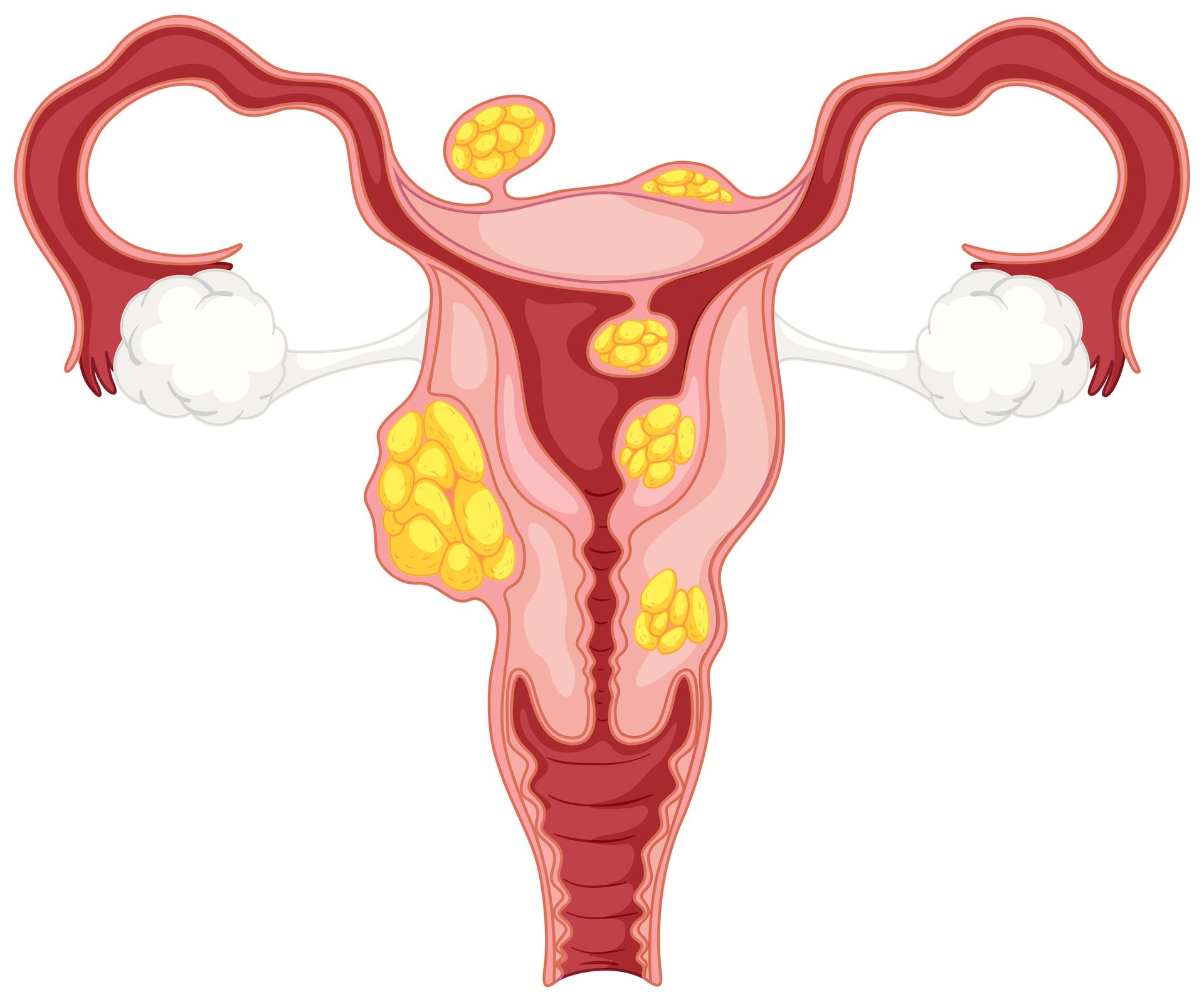
Fibroids are non-cancerous growths in or on the uterus. They're incredibly common, especially as women get into their 30s and 40s. Some fibroids cause no symptoms at all, but others can lead to very heavy bleeding, especially if they're located inside the uterine cavity or in the wall of the uterus.
Fibroids can make your periods heavier, longer, and more painful. They can also cause that feeling of pressure or fullness in your pelvis. Dr. Gurley has extensive experience with fibroids and bleeding problems and offers multiple treatment approaches.
Hormonal Imbalances
Your menstrual cycle is controlled by a delicate balance of hormones, mainly estrogen and progesterone. When this balance gets thrown off, your uterine lining can build up too much, leading to heavy bleeding when it finally sheds.
Hormonal imbalances are particularly common during:
- The first few years after you start menstruating
- Perimenopause (the years leading up to menopause)
- Conditions like polycystic ovary syndrome (PCOS)
- Thyroid disorders
Uterine Polyps
These are small, benign growths on the lining of your uterus. Unlike fibroids (which grow in the muscle wall), polyps grow from the endometrial lining itself. Even small polyps can cause irregular or heavy bleeding.
Adenomyosis
This condition occurs when the tissue that normally lines the uterus (endometrium) grows into the muscular wall of the uterus. It can make your uterus enlarged and tender, and it often causes heavy, painful periods. Adenomyosis is more common in women in their 40s and those who've had children.
Endometrial Hyperplasia
This is a thickening of the uterine lining, usually caused by too much estrogen without enough progesterone to balance it out. While it's usually benign, it needs to be evaluated because in some cases it can be a precursor to endometrial cancer.
Blood Clotting Disorders
Some women have bleeding disorders like von Willebrand disease or platelet dysfunction that make them more prone to heavy menstrual bleeding. If you've had heavy periods since your very first cycle, this might be worth investigating.
Medications
Certain medications can contribute to heavy bleeding, including:
- Blood thinners
- Anti-inflammatory drugs
- Some hormonal medications
- Intrauterine devices (IUDs), particularly copper IUDs
Other Medical Conditions
Conditions like thyroid disorders, liver disease, or kidney disease can sometimes affect menstrual bleeding.
How Heavy Bleeding Affects Your Life
Beyond the obvious inconvenience of constantly changing pads or tampons, heavy menstrual bleeding can impact your life in some significant ways:
Anemia and Fatigue
When you lose a lot of blood every month, your body can't keep up with replacing the iron you're losing. This leads to iron-deficiency anemia, which makes you feel exhausted, weak, and short of breath. You might notice you're always cold, have trouble concentrating, or feel lightheaded.
Social and Work Limitations
Planning everything around your period gets old fast. Missing important events, avoiding white pants for a week every month, or worrying about leaking through your clothes during an important meeting shouldn't be your normal.
Financial Burden
Heavy periods aren't cheap. The cost of pads, tampons, new underwear, pain relievers, and potentially ruined clothing adds up quickly.
Emotional Impact
The constant worry, embarrassment, and frustration can take a toll on your mental health. Some women develop anxiety around their periods or feel depressed about the limitations heavy bleeding places on their lives.
You deserve better. This is exactly why proper evaluation and treatment are so important.
Getting to the Root Cause: What to Expect During Evaluation
At Nashville Gynecology Center, Dr. Larry D. Gurley takes a thorough approach to understanding what's causing your heavy bleeding. Here's what you can expect:
Detailed Medical History
We'll talk about your menstrual patterns, how heavy your bleeding really is, any pain or other symptoms, your pregnancy history, family history of bleeding problems, current medications, and how your periods are affecting your daily life.
It can be helpful to track your periods for a month or two before your appointment. Note how many pads or tampons you use per day, the size of any clots, and how long bleeding lasts.
Physical Examination
A pelvic exam helps us check for fibroids, polyps, or other physical causes of bleeding. This is a standard gynecological exam and takes just a few minutes.
Blood Tests
We'll typically check for:
- Anemia (low iron levels)
- Thyroid function
- Hormone levels
- Sometimes clotting factors if there's suspicion of a bleeding disorder
Imaging Studies
Ultrasound is usually the first imaging test we do. Our in-office ultrasound can show fibroids, polyps, thickness of the uterine lining, and other abnormalities. We can often do this the same day as your appointment.
Other imaging like MRI might be recommended in certain situations for a more detailed look.
Endometrial Biopsy
If you're over 35, have risk factors for endometrial cancer, or have certain patterns on ultrasound, we might recommend taking a small sample of your uterine lining. This can be done right in the office and helps rule out precancerous or cancerous changes.
Hysteroscopy
This involves using a thin, lighted camera to look inside your uterus. Dr. Gurley performs flexible hysteroscopy in the office, which allows him to see the uterine cavity directly and identify polyps, fibroids, or other abnormalities. This is a diagnostic tool that helps guide treatment decisions.
Treatment Options: Beyond Hysterectomy
Here's where Nashville Gynecology Center really stands out. While hysterectomy (surgical removal of the uterus) is sometimes the right answer, it's far from the only answer. Dr. Gurley's philosophy is simple: every woman deserves a full discussion of all her options.
As he puts it, "Every woman contemplating hysterectomy is best treated by providing a full discussion of well-established options."
Let's walk through the range of treatments available, from least to most invasive:
Medications
Non-steroidal anti-inflammatory drugs (NSAIDs) like ibuprofen or naproxen can reduce menstrual bleeding by 20-50%. They work best when started right as your period begins.
Tranexamic acid is a medication specifically designed to reduce heavy menstrual bleeding. It works by helping blood clot better and can reduce bleeding by up to 50%.
Hormonal treatments can regulate or lighten your periods:
- Birth control pills help regulate cycles and reduce bleeding
- Progesterone therapy can counterbalance excess estrogen
- Hormonal IUDs (like Mirena) release progesterone directly in the uterus and can dramatically reduce bleeding
- For women approaching menopause, bioidentical hormone replacement therapy might be an option
Iron supplements don't reduce bleeding, but they help treat the anemia that heavy bleeding causes.
Endometrial Ablation
This is one of the most effective minimally invasive options for women who are done having children. Endometrial ablation destroys the lining of the uterus, which significantly reduces or even stops menstrual bleeding.
The procedure is done through the vagina with no incisions required. Most women can go home the same day and return to normal activities within a few days. Success rates are high, with many women seeing dramatic improvement in their bleeding.
Endometrial ablation is a good option if you have heavy bleeding without significant pain or large fibroids. It's not right for everyone, but for the right candidate, it can be life-changing.
Myomectomy (Fibroid Removal)
If fibroids are the main cause of your heavy bleeding and you want to preserve your uterus (especially if you might want future pregnancies), myomectomy removes just the fibroids while leaving the uterus intact.
This can be done through various approaches depending on the size and location of fibroids:
- Hysteroscopic myomectomy (through the vagina, no incisions)
- Laparoscopic myomectomy (minimally invasive with small incisions)
- Abdominal myomectomy (for larger or numerous fibroids)
Dr. Gurley specializes in gynecology, endoscopy, and alternatives to hysterectomy, which means you have access to advanced, minimally invasive surgical techniques.
Uterine Artery Embolization (UAE)
This procedure blocks the blood supply to fibroids, causing them to shrink. Small particles are injected into the arteries that feed the fibroids, cutting off their blood supply. UAE is done by an interventional radiologist and doesn't require general anesthesia.
This option works well for some women with fibroids, though it's generally not recommended if you want to maintain fertility.
Hysterectomy: When It's the Right Choice
Sometimes hysterectomy really is the best option. It's the only permanent solution for heavy bleeding and might be recommended if:
- Other treatments haven't worked
- You have large or multiple fibroids
- You have adenomyosis or severe endometriosis
- There are precancerous or cancerous changes
- You have severe pelvic pain along with bleeding
- You're done having children and want a definitive solution
Even when hysterectomy is recommended, you still have options about how it's performed. Minimally invasive approaches (vaginal or laparoscopic hysterectomy) typically have faster recovery times than traditional abdominal surgery.
Our surgery center offers state-of-the-art facilities for when surgical treatment is needed.
Making the Right Decision for You
Choosing a treatment isn't just about what will stop the bleeding. It's about considering:
- Your age and whether you want future pregnancies
- How severe your symptoms are
- How much the bleeding is affecting your quality of life
- Your overall health
- Your personal preferences and values
- Recovery time and getting back to your normal activities
This is why the conversation with your doctor is so important. Dr. Gurley takes time to understand not just your medical situation, but your life situation. What works for one woman might not be right for another, even if they have similar bleeding patterns.
The goal is to find the least invasive treatment that will effectively resolve your symptoms and get you back to living your life without constantly worrying about your period.
Don't Wait: When to Seek Help
You don't have to wait until heavy bleeding has completely disrupted your life before seeking help. In fact, it's better not to wait that long. Consider making an appointment if:
- Your periods are significantly heavier than they used to be
- You're soaking through protection in less than two hours
- You're passing large clots regularly
- Your periods last longer than 7 days
- You feel tired or weak during or after your period
- You're avoiding activities because of your period
- You've been putting up with heavy bleeding for more than a few cycles
Early intervention often means simpler treatment options and preventing complications like anemia.
Ready to Take Control of Your Periods?
Heavy menstrual bleeding isn't something you just have to live with, and hysterectomy isn't your only option. At Nashville Gynecology Center, we specialize in finding the right solution for your specific situation, whether that's medication, a minimally invasive procedure, or yes, sometimes surgery.
Nashville Gynecology Center
300 20th Avenue North, Suite 102
Nashville, TN 37203
Phone: (615) 284-1500
Fax: (615) 432-2007
Call us at (615) 284-1500 to schedule your evaluation. We welcome new patients and are here to help you find relief from heavy bleeding.
You can also learn more about our philosophy of providing full discussion of all treatment options, or explore our comprehensive gynecology services.
Don't let heavy periods control your life any longer. Let's work together to find the solution that's right for you.
FAQs About Heavy Menstrual Bleeding
How much bleeding is too much?
If you're soaking through a pad or tampon every hour for several hours, passing clots larger than a quarter, bleeding for more than 7 days, or feeling tired and weak during your period, that's too much. Any bleeding that interferes with your daily activities or quality of life deserves evaluation.
Can heavy periods cause anemia?
Yes, and this is actually one of the most common complications. When you lose a lot of blood each month, your body can't replace the iron fast enough, leading to iron-deficiency anemia. Symptoms include fatigue, weakness, pale skin, shortness of breath, dizziness, and cold hands and feet.
Will birth control pills help with heavy bleeding?
They often do! Birth control pills regulate your cycle and usually make periods lighter and more predictable. They work by thinning the uterine lining and regulating hormone levels. However, they're not right for everyone, especially if you have certain health conditions or risk factors.
Do I have to have a hysterectomy for heavy bleeding?
Absolutely not. While hysterectomy is sometimes the best solution, many effective alternatives exist, including medications, endometrial ablation, fibroid removal, and other minimally invasive procedures. At Nashville Gynecology Center, we believe in exploring all options before considering hysterectomy.
Can fibroids go away on their own?
Fibroids may shrink after menopause when hormone levels drop, but they don't typically disappear on their own during your reproductive years. In fact, they often grow over time. However, not all fibroids need treatment. Small fibroids that aren't causing symptoms can often just be monitored.
What's the recovery time for endometrial ablation?
Most women can return to normal activities within a few days to a week. You might have some cramping and watery discharge for a few weeks after the procedure. Compared to hysterectomy, which can require 4-6 weeks of recovery, endometrial ablation has a much shorter downtime.
How do I know if my heavy bleeding is serious?
Any significant change in your bleeding pattern should be evaluated. It's especially important to see a doctor if you're over 35 with new heavy bleeding, have bleeding between periods, experience bleeding after menopause, or have risk factors for endometrial cancer like obesity, diabetes, or PCOS.
Can stress or diet affect menstrual bleeding?
Stress can definitely affect your cycle, sometimes making periods heavier or more irregular. Diet plays a role too. Being significantly overweight or underweight can affect hormone levels and bleeding patterns. However, if stress or diet were the only factors, you'd likely see improvement with lifestyle changes. Persistent heavy bleeding needs medical evaluation.
FAQs About Nashville Gynecology Center
Does Dr. Gurley specialize in heavy menstrual bleeding and fibroids?
Yes! Dr. Larry D. Gurley has extensive experience diagnosing and treating heavy menstrual bleeding and fibroids. He's known for his expertise in alternatives to hysterectomy and minimally invasive procedures. His philosophy is to provide every patient with a full discussion of all treatment options.
What treatment options for heavy bleeding do you offer?
We offer a complete range of treatments including medications (hormonal and non-hormonal), endometrial ablation, hysteroscopy, myomectomy (fibroid removal), minimally invasive surgery, and when appropriate, hysterectomy. We also provide referrals for uterine artery embolization when that's the best option.
Can you do the evaluation and ultrasound in the same visit?
Often, yes! We have in-office ultrasound capabilities, which means we can frequently perform your ultrasound during your initial evaluation visit. This saves you time and helps us get answers faster. Dr. Gurley also performs office hysteroscopy when needed for direct visualization of the uterine cavity.
Do I need a referral to schedule an appointment?
It depends on your insurance plan. Some plans require a referral while others don't. We welcome new patients and our staff can help you determine if a referral is needed. Call (615) 284-1500 and we'll walk you through it.
How long does it take to get an appointment?
We try to see patients with concerning symptoms as quickly as possible. When you call, let our staff know you're dealing with heavy menstrual bleeding, and we'll work to get you in promptly. For new patients, please visit our new patients page for information on what to bring to your first appointment.
What if I'm not sure I want surgery?
That's completely understandable, and you're in the right place. Dr. Gurley's approach is to start with the most conservative treatments first. Many women find relief with medications or less invasive procedures. Surgery is only recommended when it's truly the best option for your situation, and even then, we focus on minimally invasive techniques whenever possible.
Does insurance cover treatment for heavy menstrual bleeding?
Most insurance plans cover evaluation and treatment for heavy menstrual bleeding as it's a recognized medical condition. Coverage varies by plan for specific treatments. Our office staff can verify your coverage and help you understand your benefits. Call (615) 284-1500 with your insurance information and we'll help you navigate the details.
Tired of heavy periods controlling your life?
Contact us today to schedule your evaluation and explore your treatment options. You deserve to feel better.
Disclaimer:
The information provided on this blog is for general informational purposes only and is not intended as, and should not be considered, medical advice. All information, content, and material available on this blog are for general informational purposes only. Readers are advised to consult with a qualified healthcare professional for medical advice, diagnosis, or treatment. The author and the blog disclaim any liability for the decisions you make based on the information provided. Always seek the advice of your physician or other qualified health provider with any questions you may have regarding a medical condition.