Subtle Bladder Symptoms Women Shouldn’t Ignore
Key Points
- Mild bladder symptoms may signal early issues worth evaluating.
- Nashville Gynecology Center offers in-person and telehealth bladder assessments.
- Testing may include bladder studies, pelvic exams, or in-office ultrasound.
- Treatment varies depending on the cause—pelvic floor support, bladder training, hormonal care and more.
Why Bladder Symptoms Matter More Than You Think
Bladder problems don’t always begin with sharp pain or intense urgency. In many cases, symptoms start gradually and become part of daily routine before someone realizes they’re abnormal. Feeling like you need to go “just in case,” waking up at night to use the bathroom, or noticing subtle changes in pressure may all be signals that the bladder is working harder than it should.
Ignoring these signs can lead to persistent irritation, muscle overactivity, or worsening leakage. Early evaluation helps women understand what’s really going on and prevents small symptoms from becoming constant disruptions.
The clinic’s dedicated bladder services can be found here: Bladder Symptom Evaluation & Treatment.
Common Bladder Symptoms Women Often Overlook
Frequent Urination Without Burning
Going more often than usual—especially if it happens in clusters or for no clear reason—can signal bladder overactivity or irritation in the bladder lining.
A Persistent “Not Empty” Feeling
Some women describe this as a light pressure after urinating, as if the bladder isn’t completely empty. This may be related to muscle tension or nerve signaling patterns.
Occasional Leakage
Small leaks during laughter, coughing, or exercise often indicate early stress urinary incontinence. Even if leakage is infrequent, it’s worth investigating.
Bladder Pressure or Heaviness
A dull, heavy sensation—especially at the end of the day—can be a sign the bladder muscles are stressed or inflamed.
Nighttime Bathroom Trips
Frequent nighttime urination may reflect bladder sensitivity or changes in fluid retention patterns.
Why These Symptoms Occur
Bladder symptoms can stem from a variety of causes:
- pelvic floor muscle tension
- irritation in the bladder lining
- hormonal shifts
- nerve signaling issues
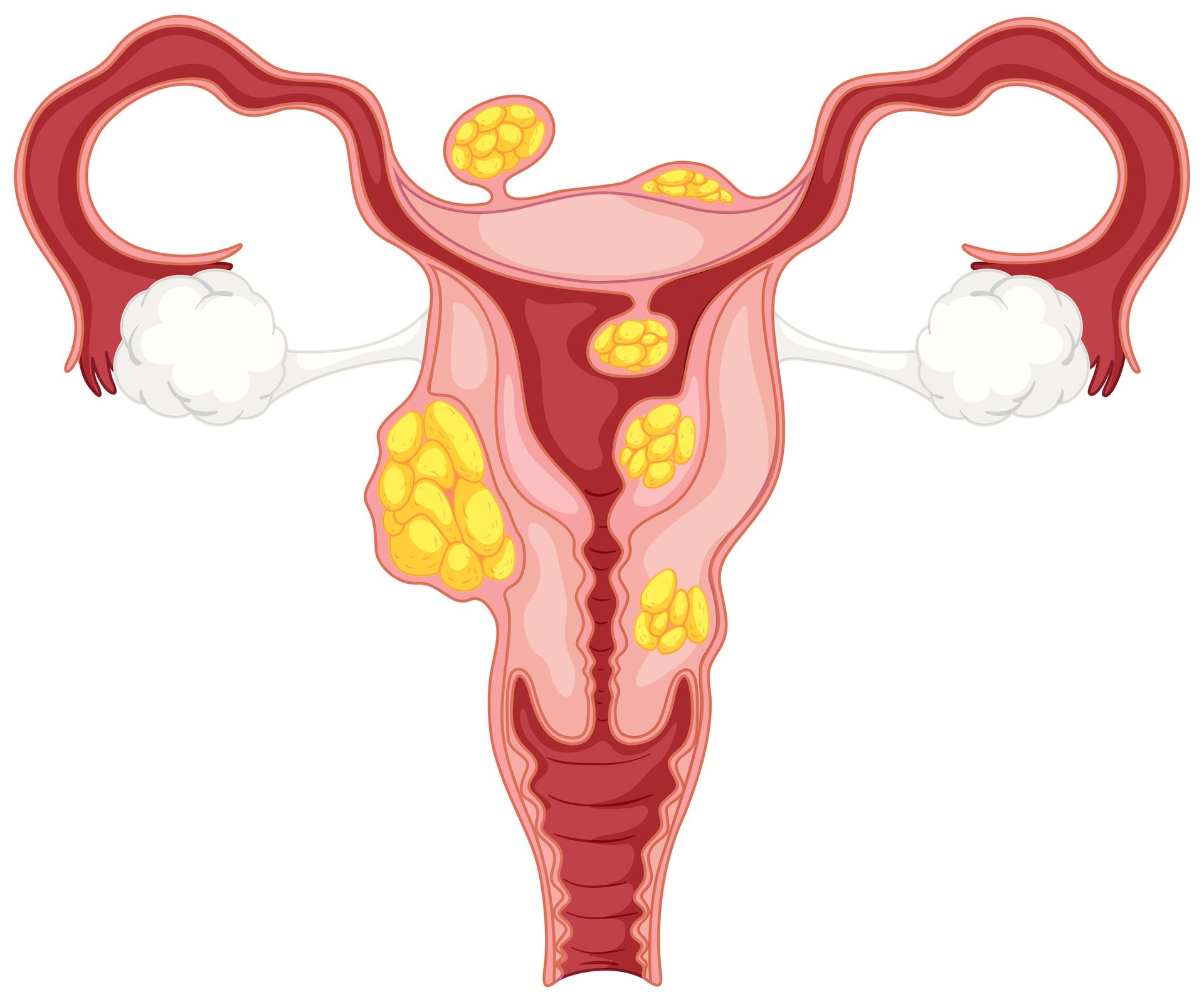
- structural concerns inside the pelvis
- overlapping gynecologic conditions
Hormone-related bladder changes are sometimes helped by therapies like Bioidentical Hormone Replacement Therapy or other approaches found under Menopause Management.
Some symptoms may also occur alongside conditions explored under GYN Services.
How Bladder Issues Are Evaluated
A Symptom and History Review
Understanding patterns—timing, triggers and discomforts—helps narrow down what’s driving the symptoms.
Physical Examination
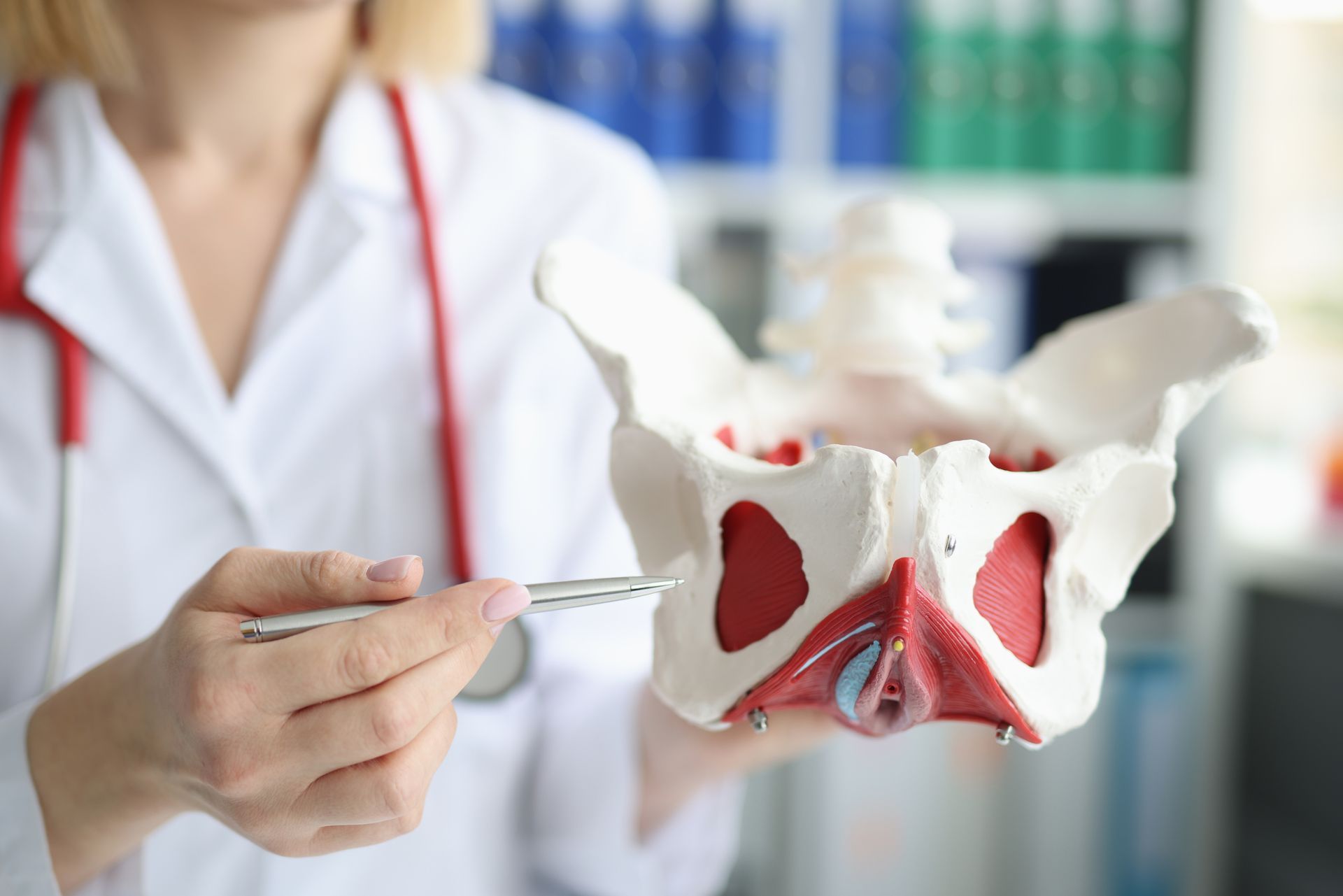
A gentle exam may identify whether pelvic floor muscles are tight, weak, or sensitive.
Imaging When Needed
In-Office Ultrasound provides a detailed view of pelvic structures when symptoms suggest something deeper.
Bladder Function Testing
For more complex cases, Urodynamics gives precise information about pressure, flow, and bladder muscle behavior.
These steps help determine whether symptoms are from the bladder itself, pelvic floor muscles, hormonal shifts, or other gynecologic factors.
Treatment Options for Bladder Symptoms
Treatment is tailored based on the cause and can include:
Behavioral and Lifestyle Adjustments
Timed voiding, bladder training, and identifying trigger foods.
Pelvic Floor-Focused Strategies
Strengthening or relaxing muscles depending on how they contribute to symptoms.
Minimally Invasive Gynecologic Treatments
If bladder symptoms overlap with bleeding, irregular cycles, or anatomical issues, the clinic may explore options such as Endometrial Ablation or Gynecology Endoscopy.
Hormonal Support
Bladder function can shift with hormonal changes. Guidance is available through Menopause FAQ and Menopause Management.
Treatment can be discussed through in-person appointments or telehealth consultations, depending on preference.
Expertise You Can Trust
Nashville Gynecology Center is led by Dr. Larry Gurley, who brings decades of clinical experience in evaluating and treating bladder and gynecologic concerns. Patients can also explore the clinic space through the Office Tour.
Where Care Is Available
Nashville Office
300 20th Avenue North, Suite 102
Nashville, TN 37203
Phone:
615-284-1500
Both in-person appointments
and
telehealth visits are available for women throughout Middle Tennessee.
FAQs About Bladder Symptoms
What bladder symptoms should women take seriously?
Frequent urination, pressure, mild leakage, or a feeling of incomplete emptying may all indicate early bladder dysfunction.
What causes frequent urination without burning?
Possible causes include bladder overactivity, irritation, muscle tension, or hormonal changes—especially during midlife transitions.
Is occasional bladder leakage normal?
Common? Yes. “Normal”? Not exactly. Even small leaks suggest the bladder or pelvic floor is under strain.
Can gynecologic conditions affect bladder function?
Yes. The bladder sits close to the uterus and pelvic floor muscles, so symptoms often overlap with issues covered under general GYN services.
Do bladder symptoms get worse with age?
Sometimes. Hormone changes, muscle changes, and lifestyle factors can all play a role. Early evaluation helps prevent progression.
Is telehealth helpful for bladder concerns?
Yes. Many bladder symptoms can be initially discussed through telehealth, and Dr. Gurley will determine whether imaging or an in-person visit is needed.
Final Thoughts
Bladder symptoms often begin quietly, with subtle shifts in frequency, pressure, or comfort. While these signs may be easy to ignore, they’re often early signals of a treatable issue. Nashville Gynecology Center offers the expertise, diagnostic tools, and accessible care—both in person and through telehealth—to help women understand and manage these changes with confidence.
Disclaimer:
The information provided on this blog is for general informational purposes only and is not intended as, and should not be considered, medical advice. All information, content, and material available on this blog are for general informational purposes only. Readers are advised to consult with a qualified healthcare professional for medical advice, diagnosis, or treatment. The author and the blog disclaim any liability for the decisions you make based on the information provided. Always seek the advice of your physician or other qualified health provider with any questions you may have regarding a medical condition.